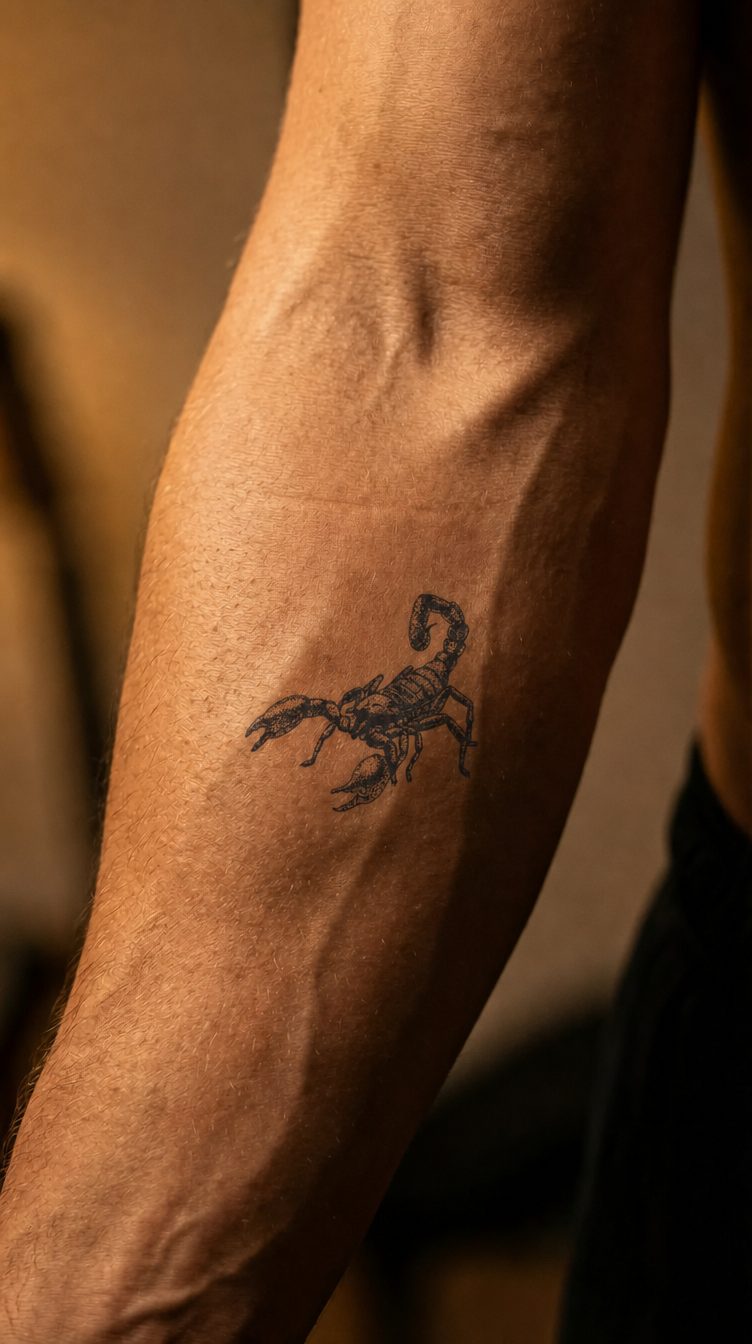


A permanent tattoo consultation is not just an hour booked in the tattoo artist’s diary, but the first real opportunity to discuss the details that matter before you take a seat: who retains the rights to the final design, what it looks like at actual size on the chosen area, what equipment and ink will be used, and how the price is calculated. The list below groups the questions by topic and explains why each one is worth asking, so you leave the consultation with concrete answers, not just a date in the calendar.
- Clarify who retains the rights to the final design and whether you can explicitly request exclusivity.
- Ask to see the design at actual size, directly on the chosen area, not just on paper or on someone else.
- Ask what single-use equipment is used and how reusable instruments are sterilized.
- Check what information about the ink’s composition they can provide and whether the label lists known allergens.
- Find out how the price is calculated and exactly what any deposit or appointment cancellation involves.
Why the questions you ask at a consultation matter
A consultation at a tattoo studio is the conversation where you find out whether the tattoo artist’s style, way of communicating, and approach to design match what you want from a permanent tattoo. If you have already chosen your tattoo artist based on their portfolio and reputation, you can revisit the criteria in the guide to choosing a tattoo artist; the consultation is the step where you check face to face that you have the same understanding of the design, size, and process before confirming your appointment.
Writing a list in advance helps you avoid forgetting important questions once the discussion about the design absorbs you, and a tattoo artist who is used to working with clients getting their first permanent tattoo treats these questions as a normal part of the meeting, not as a sign of mistrust. The clearer your questions, the more their answers give you a real basis for making a decision, instead of leaving with just a date in the calendar.
Questions about the design and who owns it
Before the actual session, it is worth clarifying what happens to the design once it is finished. Many tattoo artists retain the right to show or even reuse a design from their own portfolio for other clients, especially if it was not created exclusively for you; if you want exclusivity, you need to ask the tattoo artist explicitly, rather than assume it automatically because you paid for the work. Also ask how many rounds of sketch revisions are included before the session and what happens if, just before the procedure begins, you want to change a detail in the proportions or the positioning of the lines.
Custom design vs. a design from the portfolio
A custom design, created from scratch to your specifications, usually involves more exchanges of messages and intermediate sketches than choosing an existing design from the portfolio. Ask the tattoo artist how each option works with them: how many sketches you will receive, how long it will take, and whether major changes to the composition are charged separately from minor ones.

Questions about size and placement
A sketch on paper or a photo of the same design on someone else tells you little about how it will look on your exact area of skin. Ask the tattoo artist to show you the design at actual size, directly on the chosen area, and ask how the outline will look as the skin naturally moves in that spot, for example on the wrist or ribs.
If you have already worn a temporary or semi-permanent version of the design you are considering, bring photos of it to the consultation. They give the tattoo artist a concrete starting point for discussing size and placement, instead of having you start with just an abstract sketch.
Not all small designs behave the same way: a minimalist symbol such as a cross takes up a different amount of visual space than a curved line, so it is worth discussing each design individually with the tattoo artist before settling on the final size.

Questions about hygiene, sterilization, and safety
A reputable studio will not be offended if you ask directly about hygiene. In Romania, the Ministry of Health’s regulations for body beauty salons require single-use materials and instruments to be used for one client only and disposed of immediately afterward, while reusable instruments must be sterilized, individually packaged with the sterilization date and the operator’s name, and monitored using chemical or biological indicators (source: ORDER No. 1,136/2007 on hygiene regulations for body beauty salons). Ask explicitly whether the needle and supplies are single-use, what happens to them after the procedure, and whether they can show you how the sterilized packages are labeled and stored.
The same regulations require the operator to assess the skin in the chosen area before the procedure and postpone the work if there is an open wound, an infection, or another skin condition. If you notice anything unusual on your skin on the day of your appointment, it is normal to mention it before the work begins, and a tattoo artist who follows these rules will suggest rescheduling without making it an issue.
Questions about ink and possible allergic reactions
Ink composition is not a minor detail. Since January 4, 2022, a European Union regulation has restricted a range of hazardous substances in tattoo inks and permanent make-up, with precise concentration limits, and requires suppliers to label packaging with the batch number and list of ingredients (source: Regulation (EU) 2020/2081). Ask the tattoo artist what information about the composition they can show you before the procedure and whether they keep a record of the batch used, in case a reaction occurs later.
The same regulation requires the label to include a specific warning when the ink contains nickel or chromium (VI) above certain concentration limits, two substances that can trigger allergic reactions in sensitive people. It is worth asking directly whether the label includes these warnings and whether the tattoo artist has worked with clients who have had allergic reactions, even though their answer does not replace a dermatological consultation.
Questions about sessions, healing, and touch-ups
The number of sessions required depends on the size and complexity of the design being discussed, so ask directly how many appointments the tattoo artist estimates your project will take; for general guidance based on size and style, you can consult the guide to how long a tattoo takes.
Also ask for a broad outline of the healing period: how long it lasts, what care it involves, and what signs, such as persistent redness, increasing swelling, or unusual discharge, should prompt you to call the studio rather than wait. Finally, ask what their policy is for a possible touch-up after the skin has healed completely, because many studios include one initial touch-up in the original price, but the conditions vary from one studio to another.
Questions about the price and cost structure
You can understand how the cost is calculated without asking for an exact figure on the spot: by the hour, per piece, or through a minimum charge for the design being discussed. Each pricing method has advantages and disadvantages depending on the tattoo’s complexity and size, and the tattoo artist can explain why they use one or another for your project. If you want specific price ranges for a small tattoo, the guide to tattoo costs goes into detail that this consultation, by its nature, cannot cover in advance.
Also ask what is included in the quoted price, such as an initial touch-up, and what is not, as well as how any deposit works: whether it is deducted from the final amount, what happens if you cancel the appointment, and how far in advance you need to give notice to change the date.
How to prepare your list of questions for the consultation
The easiest way to avoid forgetting anything is to write your questions down in advance, on paper or on your phone, and note the answers during the conversation, so you can compare them later or show them to someone you trust before confirming your appointment. If you are still choosing a design and the right place for it, the guide to choosing your first tattoo will help you arrive at the consultation with a clear direction.
Bring reference photos too, including any temporary or semi-permanent version you have already worn in that area; they show the tattoo artist the size and placement you actually liked, not just an abstract idea. For a step-by-step guide to testing a design before your consultation, the guide to testing a tattoo before making it permanent explains exactly how to do that, while the article about why it is worth testing a design adds to the case.
A good consultation gives you time to decide calmly, not pressure to confirm on the spot. If you want to see exactly how the design you are considering looks, you can choose a temporary or semi-permanent option from the Your First Tattoo collection and bring photos of that trial to your discussion with the tattoo artist, as a concrete starting point for questions about size and placement.