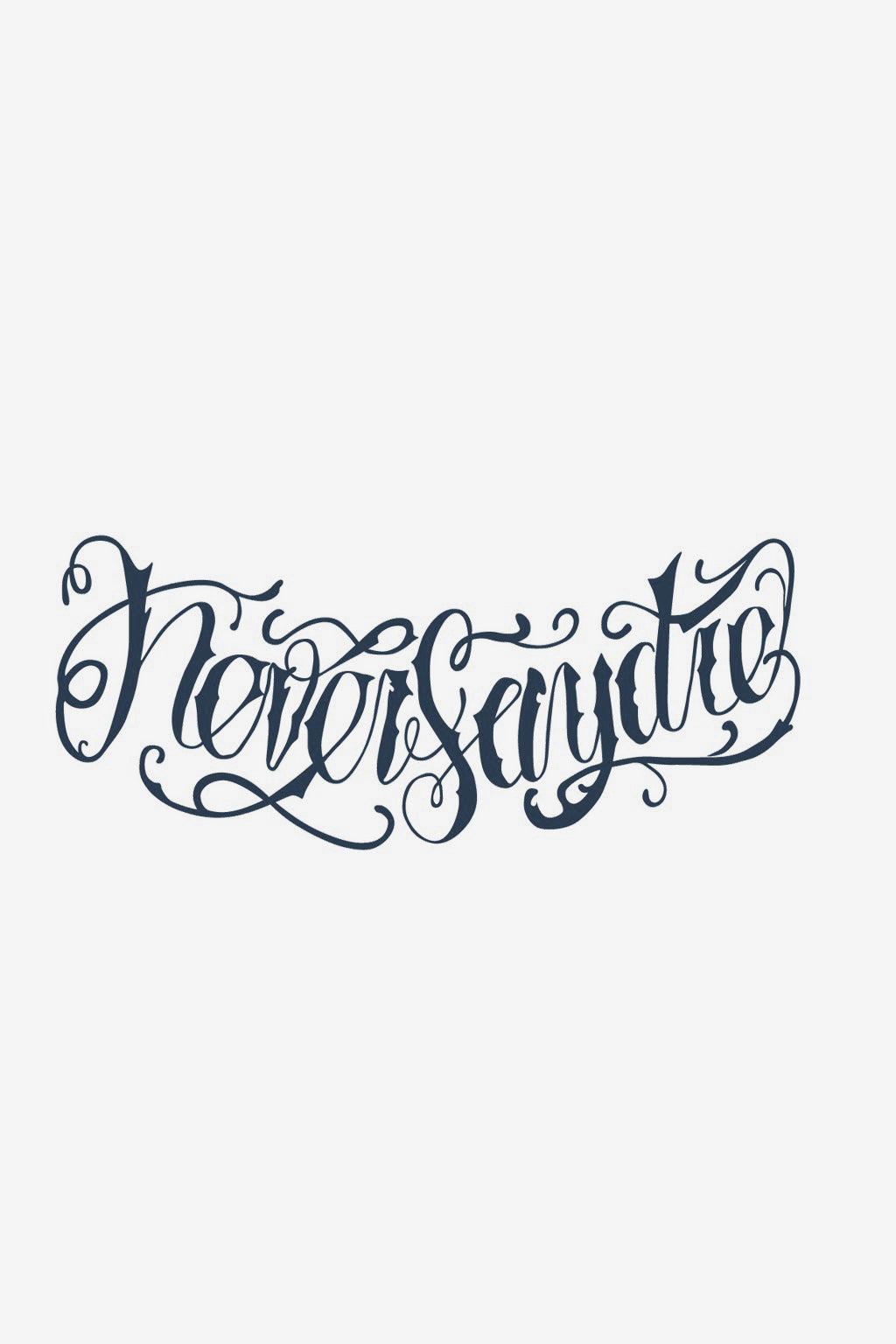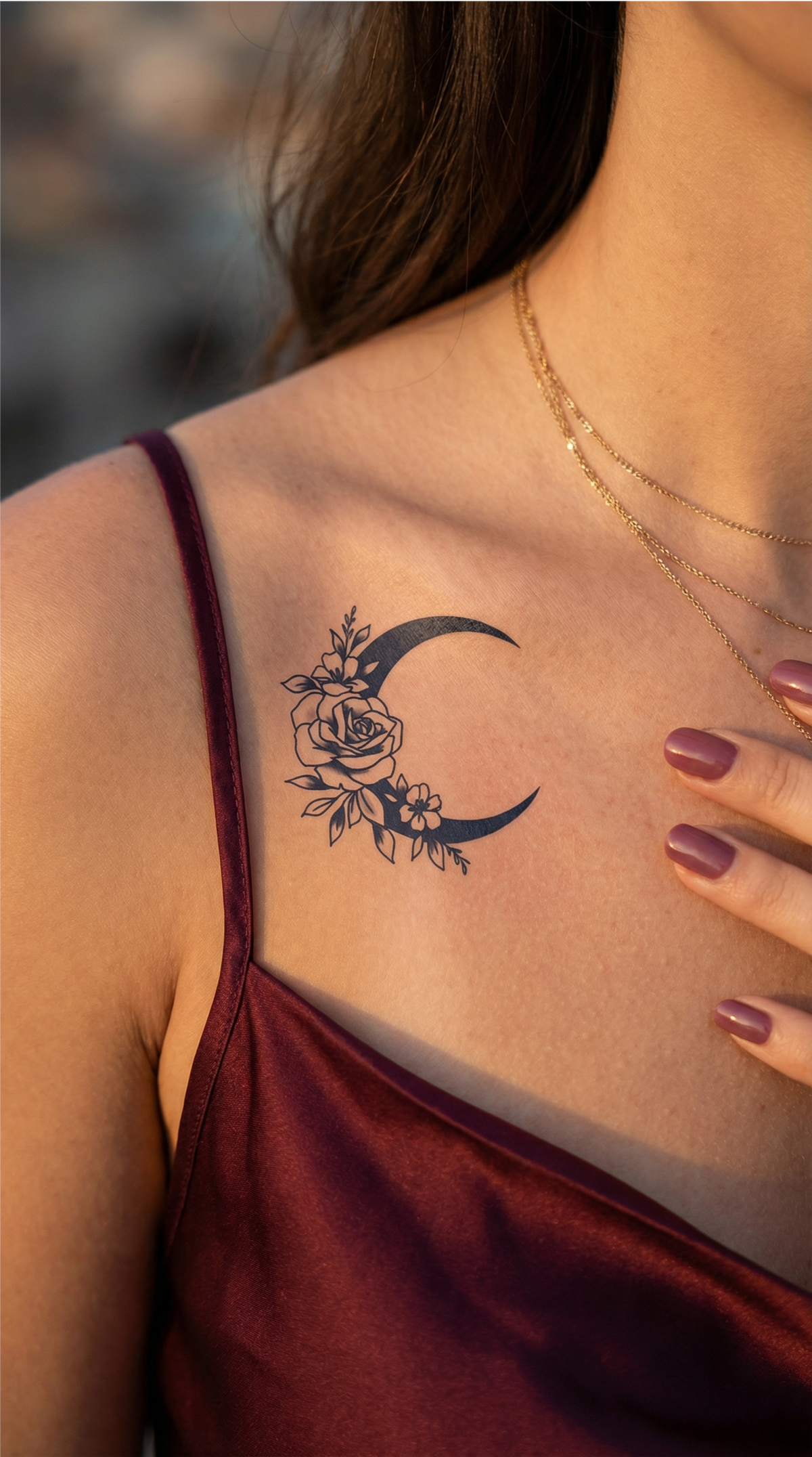


A flash tattoo is a design that has already been drawn, which you choose as it is rather than having one created specifically for you. The term comes from the culture of walk-in studios, where several people could leave with the same sheet of designs. Understanding this origin helps clarify straight away what distinguishes flash from a custom tattoo, and prevents confusion between the word and the lifespan of the tattoo itself—a common mix-up that this article takes the time to clear up.
- A flash design is ready to use, not created for one person alone: the difference lies in where the design comes from, not in its quality.
- The tradition of flash sheets comes from early 20th-century walk-in studios and remains an important visual reference, even though most studios today mainly offer custom designs.
- In tattoo culture, “flash” means a permanent design chosen as it is; this has nothing to do with the idea of a temporary tattoo, a useful distinction to keep in mind before choosing a design.
Flash tattoos: definition and the origin of the term
In a studio, a flash tattoo is a design already created by the artist and displayed or collected in a catalogue, which the person chooses without having it changed for them. This approach is the opposite of a custom tattoo, where the design takes shape through a conversation with the client. So the word does not describe a particular style or a specific size: it describes how the design was created and offered.
Where does the name “flash sheet” come from?
The word “flash” comes from the signs and posters at fairs and circuses in the late 19th century, designed to catch passers-by’s attention at a glance. Tattoo artists adopted the term when they began displaying designs ready to choose from, a practice that grew with the arrival of electric tattoo machines in the 1890s, which allowed studios to serve more walk-in clients (source: Wikipedia, Flash (tattoo)).
The tradition of flash sheets in studios
In many studios, flash sheets are hung on the walls so that each client can spot a design they like straight away, or use one as a starting point for a conversation with the artist (source: Wikipedia, Tattoo).
Some artists have left a lasting mark on this tradition. Lew Alberts and August Coleman designed and distributed sheets that became influential, and Milton Zeis sold thousands by mail order in the 1940s and 1950s, helping establish the imagery now associated with the American traditional style (source: Wikipedia, Flash (tattoo)). Sailor Jerry, whose real name was Norman Collins, is considered one of the founders of this style: he reworked designs from the 1920s and 1930s with Japanese influences to create designs such as ships, swallows, anchors and roses, and his flash sheets have since been exhibited at the musée du quai Branly in Paris and the Field Museum in Chicago (source: Wikipedia, Sailor Jerry).
This approach is still alive in some studios, but it has changed considerably. By around 2000, most studios had turned to custom work, so flash now serves mainly as a source of inspiration or a starting point, rather than as a design chosen and tattooed without alteration (source: Wikipedia, Flash (tattoo)).
Flash tattoos and custom tattoos: what really changes?
The most useful question is not which one is preferable in the abstract, but what each approach actually involves before the appointment.
| What changes | Flash tattoo | Custom tattoo |
|---|---|---|
| Origin of the design | Already created by the artist and offered as it is | Created with the client based on their idea |
| Exclusivity | The same sheet can be chosen by several people | The design is created for one person |
| Steps before the appointment | You choose directly from an existing design | Several discussions are often needed before the final design |
Neither approach is inherently better than the other. The right choice depends above all on what you are looking for: a personal idea developed with the artist, or a finished design that only needs to be adjusted for size and placement.
The “temporary” meaning of the word flash: don’t confuse the two
Everything described above refers to a permanent tattoo applied by a professional using a machine: the word “flash” refers to how the design was created, not how long it lasts. This clarification matters because you may also come across the word “flash” in contexts unrelated to permanent tattoos, which can cause unnecessary confusion for anyone just starting their search.
InkLabs’ temporary and semi-permanent designs let you browse a catalogue much like you would browse a flash sheet, then see a specific design on your own skin before making any permanent decision. This trial gives you a preview of the design, its size and its placement on the skin; it does not tell you about the pain, healing, any potential risk of an allergic reaction, or what the same design would look like once permanently tattooed—all of these depend on the technique, the ink and each person’s skin. For a more complete look at moving from temporary to permanent, the article about getting your first permanent tattoo covers choosing a design and placement.
On the skin, an InkLabs semi-permanent design first appears pale and slightly bluish, then darkens over the next 24 to 36 hours to approach the appearance of a real tattoo, before gradually fading over about two weeks depending on placement, friction and skin hydration. Unlike a classic sticker-style temporary tattoo, which stays on the surface and comes off quickly with a shiny appearance, this ink settles slightly into the upper layer of the skin, which explains its more realistic appearance and gradual fading rather than peeling off. To understand the differences between the two product categories in detail, the article comparing semi-permanent and temporary tattoos takes a closer look, and the complete guide to InkLabs semi-permanent tattoos explains how the ink works.
How to choose a ready-to-use flash design
Once you understand how flash works, choosing a design from a catalogue becomes easier if you follow a clear order rather than trying to find one perfect design right from the start.
- Start with a style category rather than a single design, much like a flash sheet groups similar designs together: for example, roses, fine-line, illustrative or animal designs.
- Check the design’s actual proportions against the intended area of the body before deciding on a size, rather than relying only on the product photo.
- Shortlist two or three favourites instead of just one, because comparing them side by side on your skin often makes the choice clearer more quickly than looking at a single photo.
- Try a non-permanent version of a favourite to see the design in place, keeping in mind that it previews the design, size and placement, but does not indicate the pain or healing to expect from a permanent tattoo.
A design such as Rose, a stylized rose, is a good example of what a “flash” design can look like in a modern catalogue: a recognizable classic, already finished, that only needs to be positioned on the chosen area.

For a first look at flash with a more understated visual commitment, a fine-line design such as Arrow lets you try a simple composition before considering something larger.

For a more detailed method of choosing size and placement, the article on choosing a temporary tattoo design adds to this list. Fans of geometric designs will also find a dedicated overview in the article on geometric tattoos, and the full InkLabs blog brings together more topics related to tattoo styles.
The simplest approach is often to browse the selection of best-selling designs as you would a flash sheet, then try your two favourites at actual size before deciding on anything permanent.