

If you’re going to a tattoo convention for the first time, you often don’t know what to expect beyond the entrance: rows of booths, loud music, visitors waiting, and artists who already have their next client in mind while they’re in the middle of an appointment. That’s exactly why it’s worth preparing. If you understand beforehand how things work, how to get an appointment or a walk-in spot, what to look for in a clean booth, and how quickly the atmosphere at a booth can push you toward a spontaneous decision, you’ll move through the hall more calmly and choose a design and placement with a clear head instead of making a decision on the fly.
- At a convention, several artists or studios work at their own booths at the same time, while competitions, exhibitions, and merchandise booths take place around them.
- For a fully developed design, booking ahead is usually worthwhile, while smaller, simple designs often work well as spontaneous walk-ins, which are most likely to be available early in the day.
- A professional booth uses disposable needles, visible protective coverings, and gloves that are changed between clients—all of which you can easily ask about on site.
- The atmosphere at a booth encourages quick decisions; if you’ve already seen the size and placement at home with a temporary tattoo, you’ll have a clear idea when you arrive for your appointment.
How a tattoo convention is laid out
At the center of every convention are the booths of individual artists or studios, who tattoo there for the duration of the event while visitors can walk by and watch. Competitions usually take place alongside these booths, with work judged by style category, as well as art exhibitions featuring so-called flash sheets—pre-drawn designs to choose from on the spot—and booths selling merchandise or supplies.
The size of the event depends largely on its format. Regional conventions often run for one or two days with a few dozen artists, while national or international fairs last several days and bring together several hundred to over a thousand artists (source: Firsthand account of the size and format of tattoo conventions). That’s why it’s worth checking the program before deciding on a particular booth for your first visit: at a small convention, a walk around is enough; at a large fair, it takes much longer to get your bearings.
Book an appointment in advance or go for a walk-in
There are essentially two ways to get tattooed at a convention, and they work differently. If you have a particular artist and a fully developed design in mind, you’ll usually contact them weeks before the event through social media or email, discuss the design in advance, and often pay a deposit toward the final price (source: Guide to booking an artist in advance).
Walk-in spots, on the other hand, are assigned on the day to whichever artist is available. Artists without a set appointment usually allow about 30 minutes to an hour for each tattoo, which makes smaller designs a better fit (source: How Do Tattoo Conventions Work), and those open spots are most likely to be available early in the morning. So if you arrive when the doors open, you have the best chance of getting a walk-in slot or finding an artist whose appointment book is still open for the day.
When booking ahead is worthwhile
Booking ahead makes the most sense when the design is larger, detailed, or tailored to a particular artist’s style—work like this takes time and discussion, which are hardly possible at the booth itself. For a simple, small design that can be done in a few relaxed minutes, a walk-in is often enough, without needing to start preparing weeks in advance. If it’s your first time at a convention, it’s also a good idea to spend the first few hours observing: check out the program, portfolios, and atmosphere at the booths before making any booking, and schedule your own appointment for earlier rather than during the last, most exhausting hours of the day (source: Tips for first-time tattoo convention visitors).
What a clean booth looks like—and what you can ask
You can identify a professional booth by specific details: disposable needles, visible protective coverings on machines and work surfaces, and gloves that are changed between clients. Since hygiene and safety requirements can vary depending on the event and location, it’s a sensible question to ask how the artist handles sterilization at this particular convention (source: Tattoo convention tips: what to expect and how to prepare).
A portfolio also shows whether an artist’s usual style matches what you have in mind. This matters more at a booth than in a quiet studio, because there’s less time for an in-depth consultation and you have to make your decision more quickly. If you look at a few of the artist’s pieces beforehand, for example on their social media profile, you can make this assessment before convention day instead of trying to do it at the booth between two other visitors who are waiting.
Prices, cash, and the pressure to make a quick decision
Tattoos at a convention are generally priced like any other tattoo, and traveling artists sometimes charge extra to cover travel and accommodation. It’s worth asking about the price right at the start of the conversation, before agreeing to anything else.
Many booths prefer cash, and some vendors accept cash only (source: Tattoo Conventions Guide: Navigate Events Like a Pro). So it’s worth planning to bring enough cash before you visit, rather than relying on finding an ATM once you’re at the booth.
The noise, crowds, and limited time add to the pressure to make a spontaneous decision. A convention floor is much louder, busier, and less private than a studio appointment, which is why a simpler, smaller design is a better fit for this setting than a large, highly detailed idea that deserves a quiet conversation in a studio (source: Tattoo Conventions Guide: Navigate Events Like a Pro).
Test your design beforehand instead of deciding at the booth
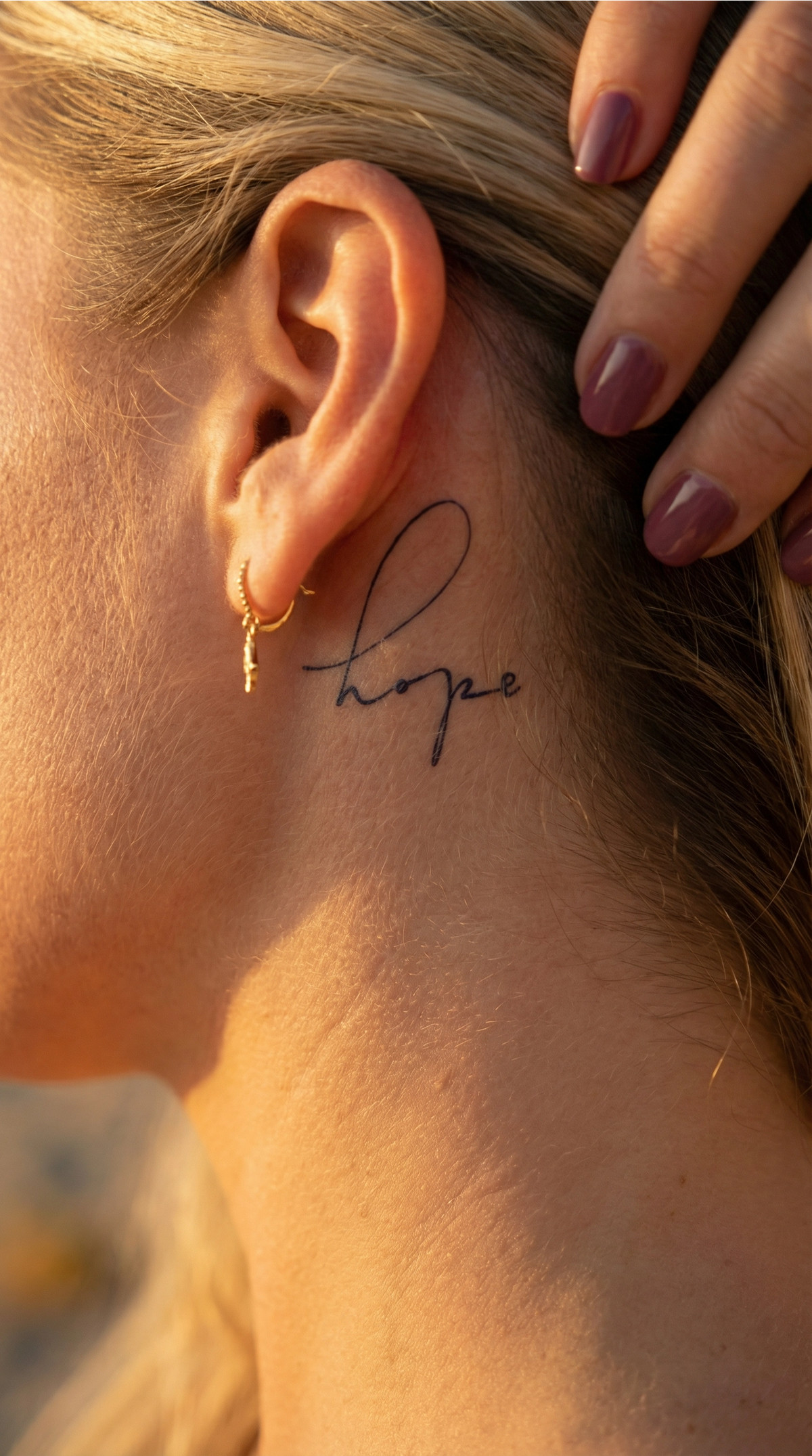
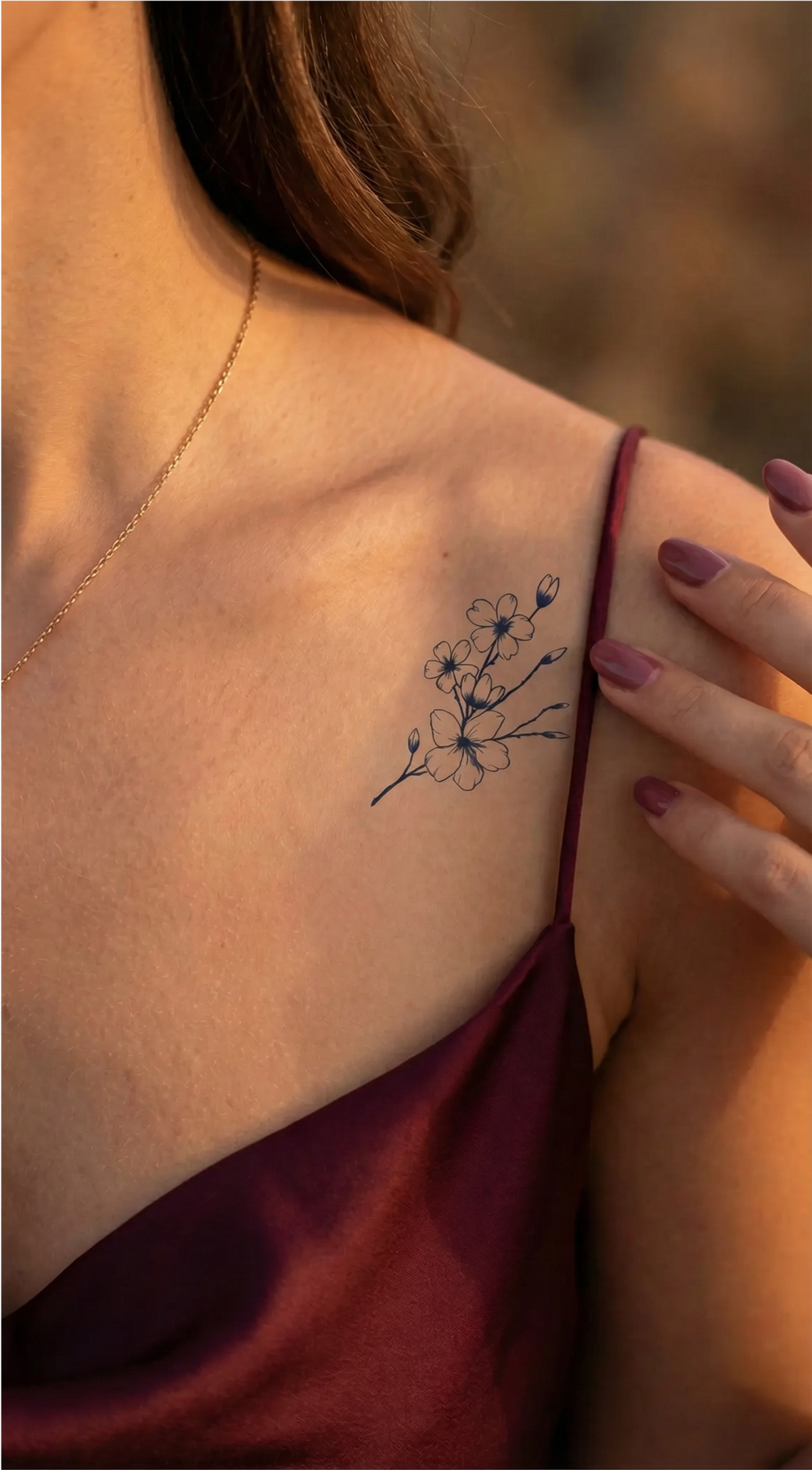
If you’ve had a design in mind for a while, you can try out its size and exact placement at home with a temporary tattoo before even considering a booth. A delicate design such as Lotus, a fine-line drawing, or a graphic design such as Freedom with flying birds lets you see over a few days how a particular size actually looks in a particular spot: in everyday life, when getting dressed, and in different lighting.


It’s important to keep in mind the limits of this test: it shows the size and position, and how a design looks on your own skin, but it doesn’t tell you how a permanent tattoo will feel in that spot, how it will heal, whether you’ll have a reaction to the ink, or how it will look once it has fully healed. Those questions are still a matter for a conversation with the artist at the booth and, where necessary, with a doctor.
If you use the trial period to decide on a placement, you’ll arrive at the convention with a clear idea and won’t have to make the choice while standing in front of the booth. The article on why it’s worth testing a tattoo before making it permanent explains how this kind of advance planning works in general; if you’re still at the beginning of the decision-making process, the guide to getting your first tattoo offers a calmer, more detailed approach without the time pressure of a convention.
Conclusion: be well prepared for the convention
A tattoo convention is easy to plan for when you already know how it works, how to book, what to look for in a clean booth, and how cash is typically handled. If you’ve also tested the size and placement of your desired design beforehand, you can spend the day observing and comparing with a plan already in place, instead of making the most important decision on the fly. The basic difference between a temporary test and a permanent tattoo still applies, as the comparison between temporary and permanent tattoos also shows.
If you often go to festivals anyway, the article on festival makeup and temporary tattoos has more ideas for spontaneous looks beyond the convention. And if you’d like to keep browsing, you’ll find more articles about temporary and semi-permanent tattoos on the news blog.
If you’d like to see for yourself how a design’s size and placement look before your next convention, you’ll find suitable options for a first test in the Small Temporary Tattoos collection.