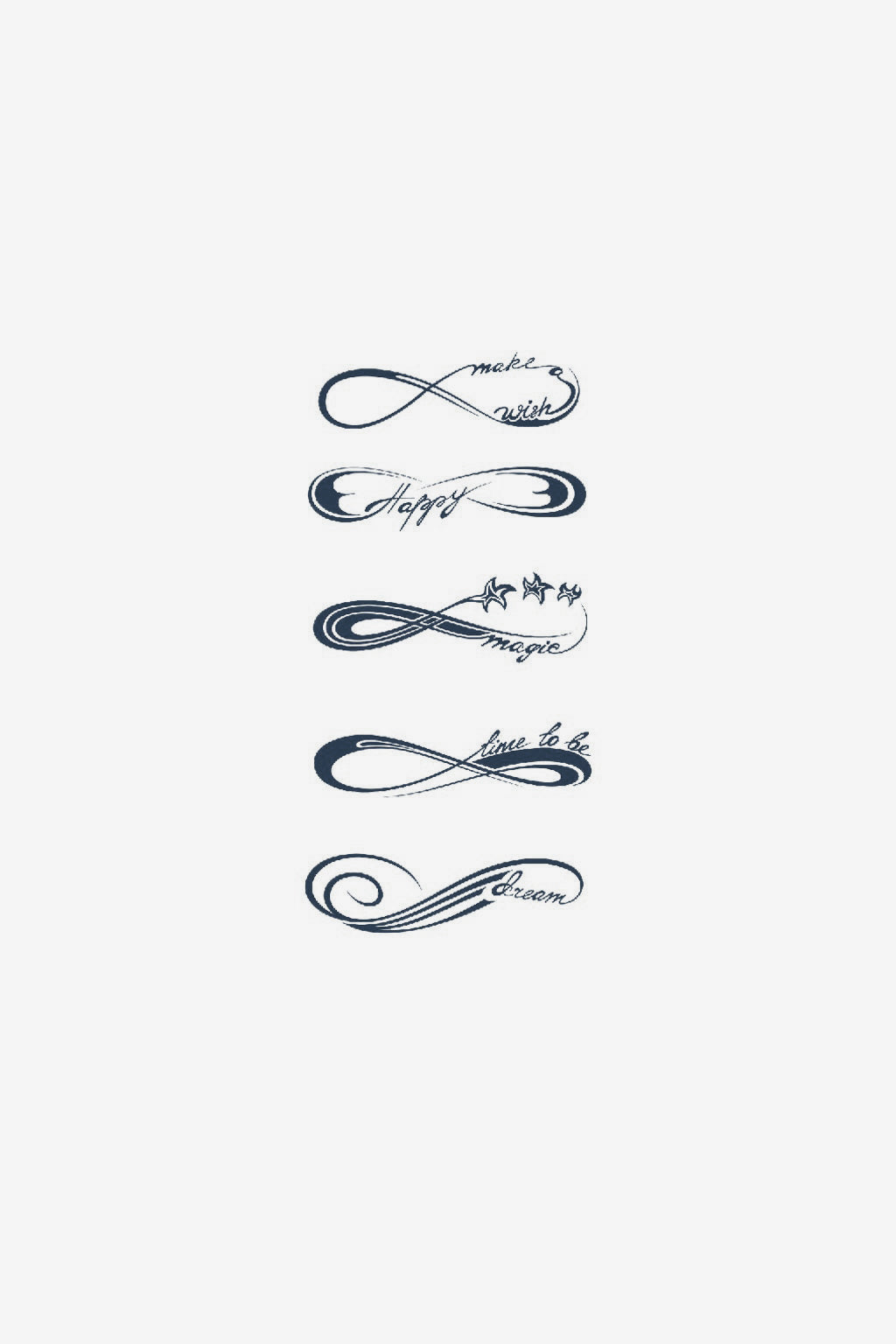


The Malabar tattoo brings to mind the little paper images that used to come inside wrappers of the chewing gum of the same name, and that could be applied to the skin with a little water. This paper version disappeared from the wrappers long ago, but the wet-transfer principle it used inspired much more advanced products now, such as InkLabs temporary tattoos, which go further in durability, appearance and choice of designs. If this childhood memory has come back to you recently, the sections below explain where it came from, what has really changed since then, and how to make a current temporary tattoo fade faster if you’re wearing one.
- The Malabar tattoo was a paper transfer that appeared in wrappers in 1969, with designs that changed several times over the decades.
- Its basic mechanism—an image that transfers with water—is still similar to that of today’s temporary tattoos, even though their appearance and durability are completely different.
- An InkLabs tattoo starts out a light shade just after application, then darkens over 24 to 36 hours, and lasts up to 15 days depending on the area and how it is used.
- To make it fade faster, gentle exfoliation and warm water work better than concentrated alcohol or acetone, which damage the skin without speeding things up much.
The Malabar tattoo, a little childhood ritual
Malabar is a French chewing gum brand launched in the late 1950s by the Kréma company (source: Malabar (chewing gum) — Wikipedia). The little tattoo images appeared in wrappers a little later, in 1969, with Monsieur Malabar as the first character featured in the series. The themes then changed several times over the decades, including sports, animals and the world of detectives, before the character Mabulle took over in March 2011 (source: same article). That is why two adults who grew up in different eras don’t necessarily picture the same design when they recall this memory.
What made this ritual fun wasn’t the fineness of the result on the skin, which was quite simple, but the action itself: wetting the paper, applying it, then comparing and swapping designs with other children, a bit like trading collectible pictures. Some also remember drawing their own tattoo with a marker, a homemade practice covered in detail in drawing your own temporary tattoo with a marker and stencil for anyone who wants to recreate that exact activity today.
How this transfer tattoo worked
Technically, this type of tattoo is based on a fairly simple principle: the design is printed in reverse on special paper, then comes off the backing and transfers onto the skin when wet. This same water-transfer principle is still used today in many mainstream temporary tattoos, especially those sold on sheets for children. The main difference is how long they last: because the image sits on the surface of the skin without penetrating it, it comes off quickly with the first thorough wash or after a few rubs against clothing. This isn’t a manufacturing defect; it’s simply the nature of classic transfer paper, designed for occasional use rather than to last several days. It is precisely this shared starting point—an image that transfers with water—that makes it possible to compare this childhood memory honestly with today’s temporary tattoos, particularly InkLabs tattoos, without claiming that they work in the same way.
What has changed with today’s temporary tattoos
InkLabs tattoos are also applied with water, but there are a few extra steps that explain why the result lasts longer. First, gently exfoliate the area, then remove the protective film from the design before positioning it adhesive-side down against the skin; next, wet the area for about one minute before peeling off the paper backing (source: How it works — InkLabs). Today’s designs are also made to last and come in a range of styles, from fine-line to illustrative designs and animals, rather than being randomly selected from a wrapper. A subtle design like the Butterfly design gives a good idea of what a small format designed to test a placement, rather than make a spectacular impression, can look like.

Why the color darkens over time
Unlike the Malabar tattoo, whose design appeared instantly in its final color, an InkLabs tattoo starts out a light, bluish shade just after application, then gradually darkens over 24 to 36 hours to a blue-black finish that resembles a real tattoo. This delay isn’t a defect: it reflects the time the pigment takes to settle in the superficial layers of the skin, a mechanism explained in the full explanation of semi-permanent tattoo ink science and how it develops on the skin. For anyone who wants to understand more broadly how this type of ink differs from a simple surface pigment, a complete guide to how InkLabs semi-permanent tattoos work takes the question from the beginning.
How long does it last, and how do you remove it?
An InkLabs tattoo lasts up to 15 days, but its actual lifespan depends mainly on the application area, how often it is washed and everyday friction: heavily used areas like the hands or wrists fade faster than the upper arm or shoulder. It lasts this long because the pigment penetrates the skin slightly instead of staying only on the surface, making it resistant to water from the shower, pool or sea, whereas classic paper transfers came off with the first thorough wash.
To make a current temporary tattoo fade faster, gentle exfoliation is still the most reliable method: more frequent washes with warm water, a little coconut or almond oil on the area, and gentle rubbing with a towel after a shower are generally enough to make the design fade sooner. It’s better to avoid concentrated alcohol, acetone, bleach or any other solvent: these products irritate the skin without actually speeding up the process. For anyone who wants a more complete step-by-step walkthrough, the detailed steps for making a semi-permanent tattoo fade covers each step in order.
Relive that childhood pleasure today
Choosing a small design today lets you recapture that same playful childhood experience, this time with a design you choose rather than one picked at random from a wrapper. The mini format is especially well suited to this: it gives you time to judge a placement before committing to a larger design, a bit like trying out different pictures as a child. For anyone who wants to go beyond this simple nostalgic nod, a few pointers for choosing your first tattoo and the right placement can help you approach the decision more seriously.
There is also the option of a custom design, for anyone who wants a specific nod to their memory rather than a generic design. In the meantime, the mini temporary tattoo collection is a good place to start when trying out a first placement, exactly as you tried a Malabar design on your arm as a child.